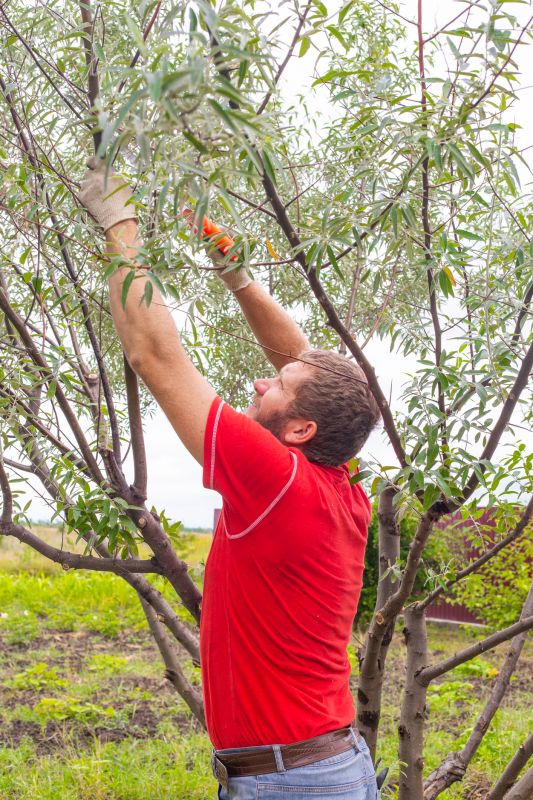
Pear Tree Pruning in Doylestown, PA
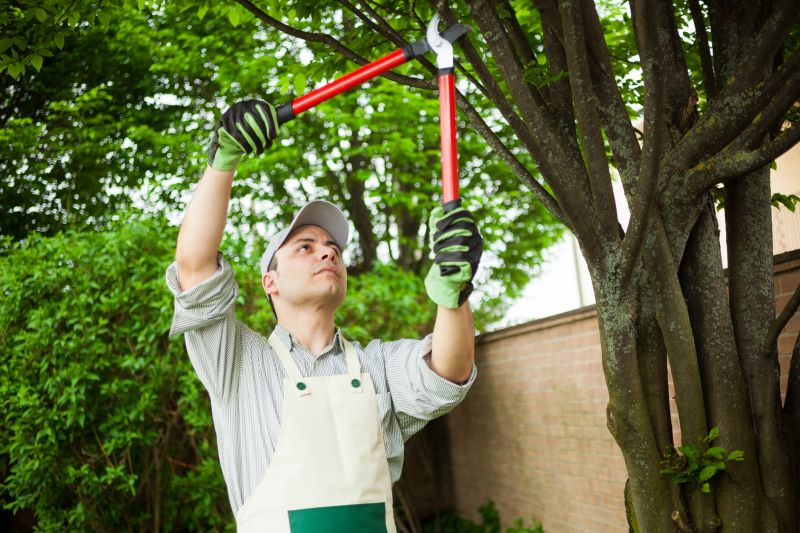
Pear Tree Pruning services involve selectively trimming and shaping trees to promote healthy growth, improve appearance, and ensure safety around the property. This service covers a variety of projects, including removing dead or diseased branches, reducing the size of overgrown trees, and maintaining the overall structure of the tree to prevent potential hazards. Homeowners often request pruning to enhance curb appeal, protect nearby structures, or prepare trees for seasonal changes, making it an essential part of property maintenance.
Before requesting Pear Tree Pruning services, property owners should consider the current condition and growth habits of their trees, as well as any specific goals for the project. Understanding the types of trees on the property and their individual needs can help determine the appropriate pruning approach. Additionally, it’s helpful to identify areas where branches may pose risks or interfere with utility lines, allowing for targeted trimming that maintains the health and safety of the landscape.
Many property owners in Doylestown, PA look into Pear Tree Pruning for repairs, replacements, upgrades, and appearance-related improvements.
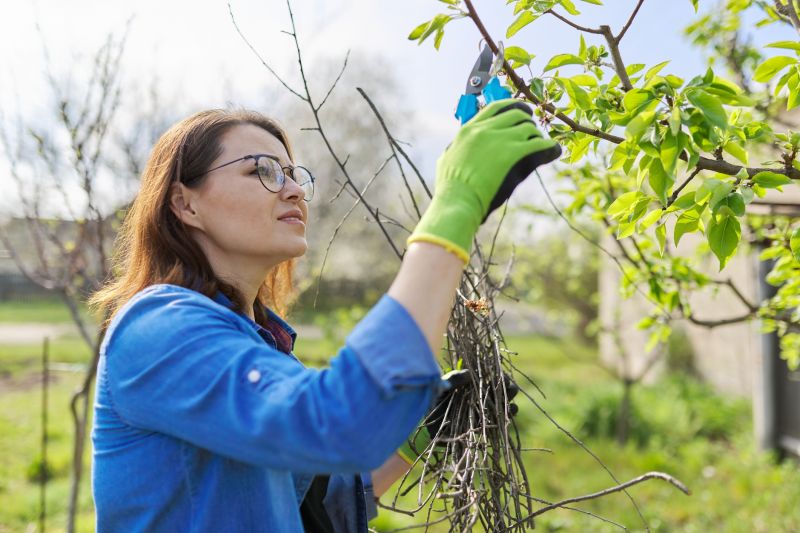
Tree Health And Maintenance
Proper pruning helps maintain the health and longevity of pear trees in doylestown neighborhoods.
Aesthetic Enhancement
Pruning shapes pear trees to improve their appearance and enhance curb appeal on residential and commercial properties.
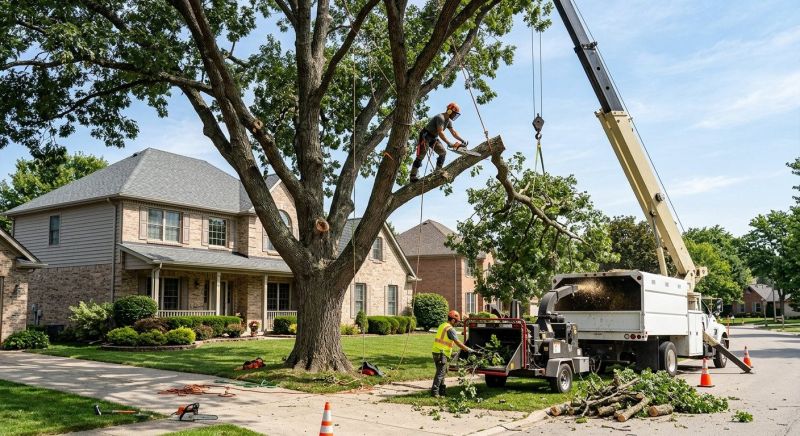
Safety And Clearance
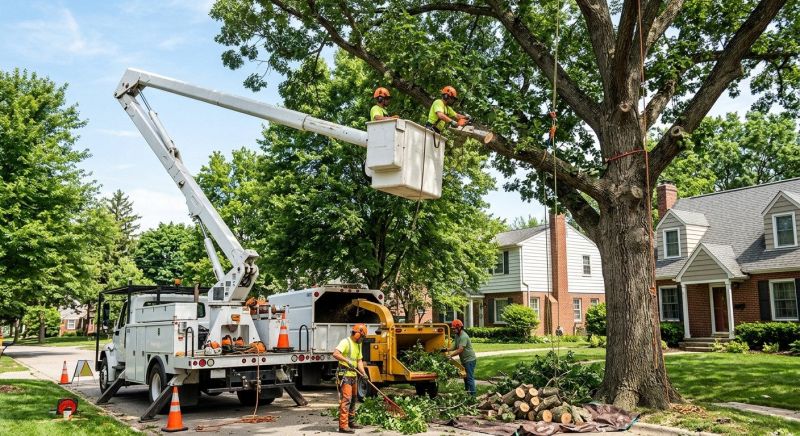
Regular trimming reduces hazards by removing dead or overgrown branches that could pose risks around homes and walkways.
Pear Tree Pruning in Doylestown, PA

Pear Tree Pruning services involve selectively trimming and shaping trees to promote healthy growth, improve appearance, and ensure safety around the property. This service covers a variety of projects, including removing dead or diseased branches, reducing the size of overgrown trees, and maintaining the overall structure of the tree to prevent potential hazards. Homeowners often request pruning to enhance curb appeal, protect nearby structures, or prepare trees for seasonal changes, making it an essential part of property maintenance.
Before requesting Pear Tree Pruning services, property owners should consider the current condition and growth habits of their trees, as well as any specific goals for the project. Understanding the types of trees on the property and their individual needs can help determine the appropriate pruning approach. Additionally, it’s helpful to identify areas where branches may pose risks or interfere with utility lines, allowing for targeted trimming that maintains the health and safety of the landscape.
Many property owners in Doylestown, PA look into Pear Tree Pruning for repairs, replacements, upgrades, and appearance-related improvements.
Common Pear Tree Pruning Jobs
Tree pruning - shaping trees to promote healthy growth and improve appearance.
Crown thinning - reducing branch density to allow more light and air circulation.
Structural pruning - removing weak or crossing branches to prevent future damage.
Fruit tree pruning - enhancing fruit production and maintaining tree health.
Deadwood removal - eliminating dead or diseased branches to prevent decay.
Formative pruning - guiding young trees to develop strong, healthy structures.
Pear Tree Pruning Questions
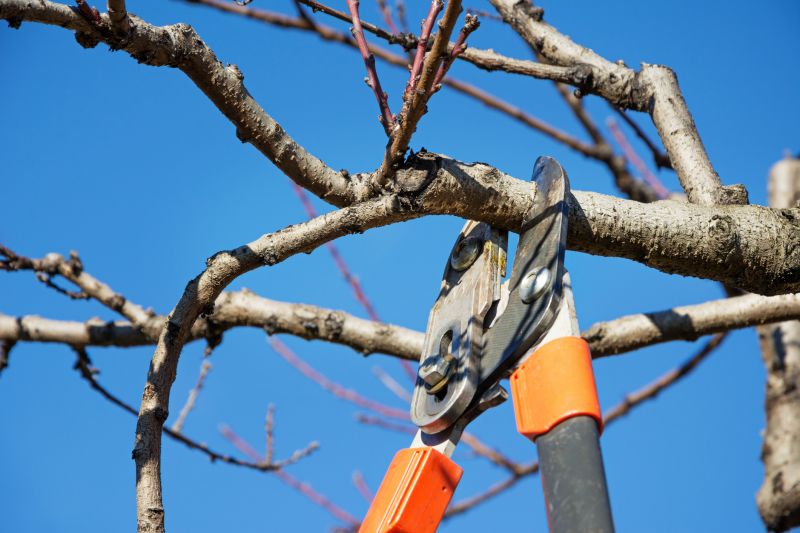
What is pear tree pruning? Pear tree pruning involves removing specific branches to promote healthy growth, improve fruit production, and maintain the tree's shape.
When is the best time to prune a pear tree? The ideal time to prune a pear tree is during late winter or early spring before new growth begins.
Why should homeowners consider pruning their pear trees? Pruning helps prevent disease, enhances fruit quality, and maintains the tree’s overall health and appearance.
What types of pruning are common for pear trees? Thinning, heading back, and structural pruning are typical methods used to shape and support pear trees.
Request Pear Tree Pruning in Doylestown, PA
Use the quote form on this page to share the basics of your project and request more information for the type of work you need.